01
Safety Visibility
Inspection creates visibility around risks that may affect people, equipment, or operation.

Inspection supports organizations that need reliable technical review across equipment, systems, facilities, safety-related requirements, and operational environments in accordance with ISO/IEC 17020.
Content is organized to help visitors confirm fit, credibility, and the next action.
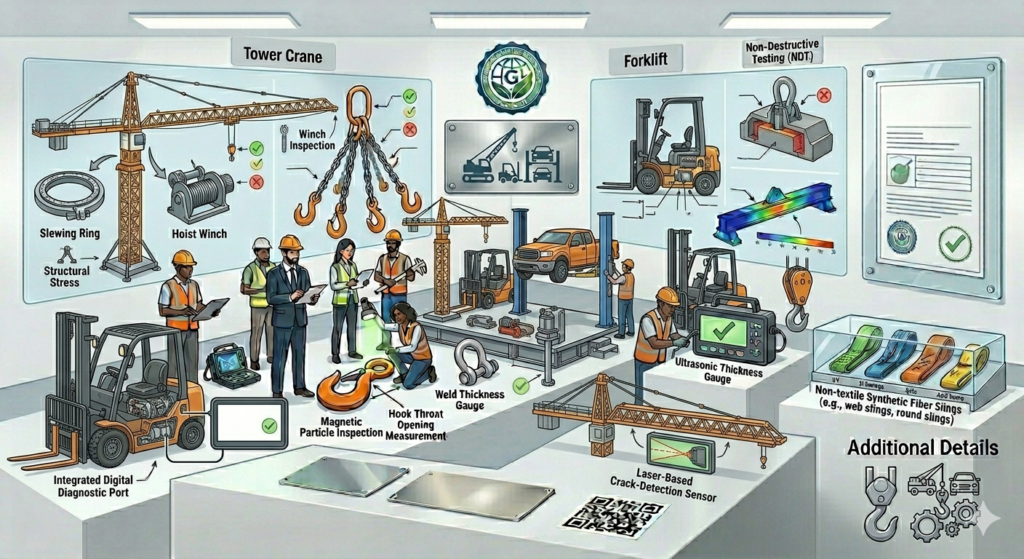
Professional inspection services for lifting equipment to ensure safe operation, regulatory compliance, and optimal performance.
View details →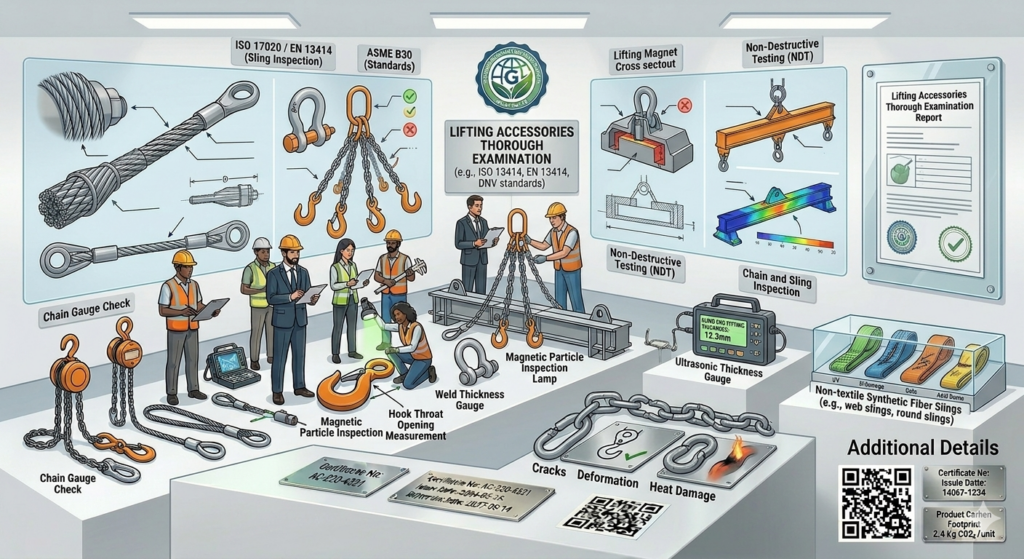
Comprehensive inspection services for lifting accessories to ensure safety, reliability, compliance, and operational performance in accordance with applicable standards and regulations.
View details →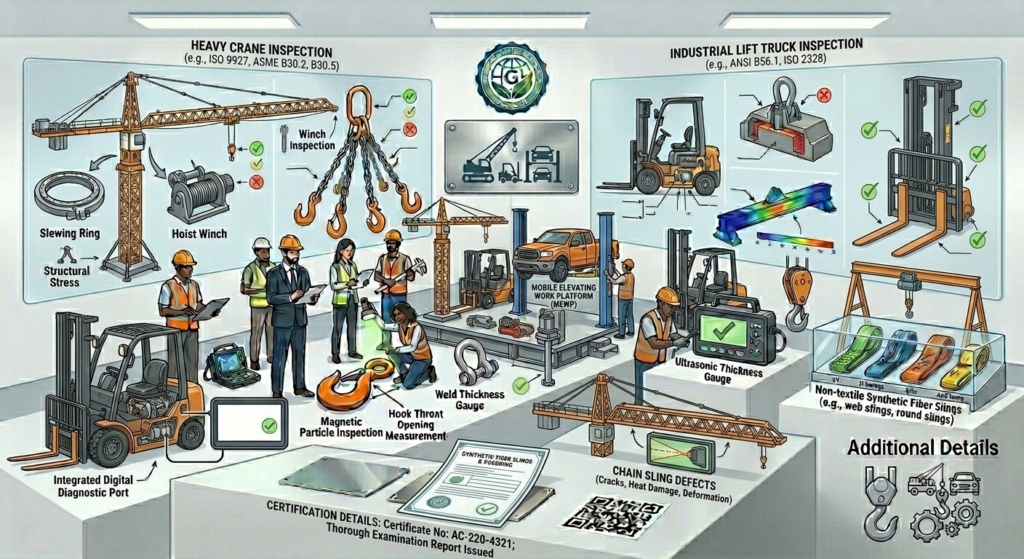
Inspection of cranes, hoists, and other lifting appliances to ensure safe and reliable operation.
View details →
Inspection services for earth moving equipment to ensure safe operation, compliance with standards, and reliable performance on construction and industrial sites.
View details →
Inspection services for scaffolding systems to ensure structural safety, stability, and compliance with applicable standards before and during use.
View details →
Proper inspection prevents equipment damage and accidents that could lead to potential injury, reduced production, decreased performance, and lost revenue
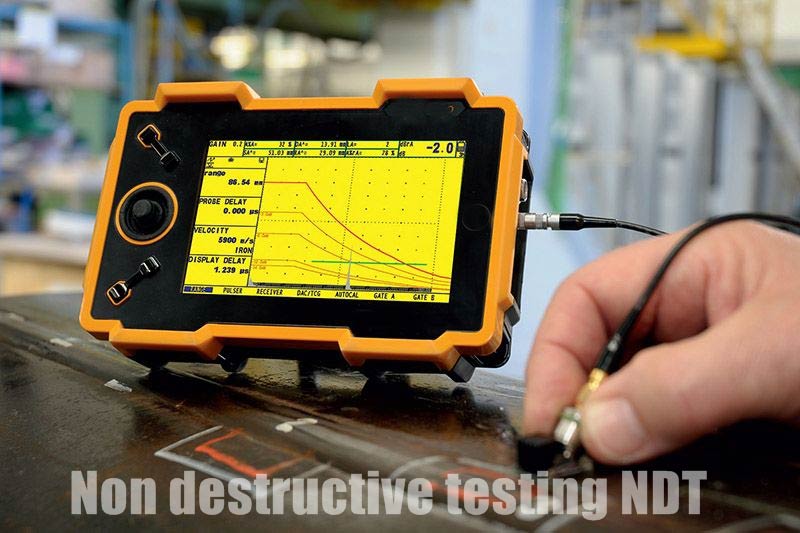
Inspection of NDT is essential to ensure detect surface and subsurface discontinuous and thickness measurement without damage and eliminating all related hazards, ensuring full regulatory compliance and guarding against the risk.
PAT
the examination of electrical appliances and equipment to ensure they are safe to use. Most electrical safety defects can be found by visual examination, yet other types of electrical defect can only be found by testing.
View details →Official inspection scope item under UTIC inspection services.
View details →Official inspection scope item under UTIC inspection services.
View details →Official inspection scope item under UTIC inspection services.
View details →Official inspection scope item under UTIC inspection services.
View details →UTIC pages reduce uncertainty by presenting scope, standards alignment, impartiality, process clarity, and practical next steps.
Inspection creates visibility around risks that may affect people, equipment, or operation.
Scope-based inspection helps organizations prepare for compliance and performance decisions.
Each inspection route is separated so visitors can quickly identify the correct service need.
Service quotation is based on scope, complexity, sites, resources, and technical requirements.
The service route helps visitors understand what to provide, what UTIC reviews, and how the next action is defined.
Share the service, product, system, equipment, site, or technical context.
UTIC reviews scope, complexity, technical requirements, sites, and resources.
The correct service route is defined based on the actual request.
A clear quotation is provided before the start of any activity.
Each service route is shaped by the actual scope, complexity, sites, resources, and technical requirements.
Inspection, testing, certification, training, calibration, or proficiency testing.
The nature and complexity of the work shape the service path.
Number of sites and required resources are considered.
Applicable technical and standards requirements guide the final route.
Use related pages to understand the broader service, trust, and request path.
Share your service type, scope, complexity, sites, technical requirements, and required resources so UTIC can review the request and provide a clear quotation.
Request Quotation