
Evaluation Procedures
Comprehensive evaluation activities, including document review, inspections, and testing, to verify compliance with applicable certification requirements.

A structured certification pathway from application and evaluation to certification decision, issuance, maintenance, extension, reduction, suspension, withdrawal, or refusal in accordance with ISO/IEC 17065.
Content is organized to help visitors confirm fit, credibility, and the next action.

Certification services for a wide range of products to verify compliance with applicable standards, technical regulations, and quality requirements, supporting market access and consumer confidence.

Application, application review, evaluation, certification review, decision, issuance, and maintenance.
Learn more →
Applicants and certified clients are required to maintain compliance with certification requirements, provide accurate information, support evaluation activities, and ensure the proper use of certification and conformity marks throughout the certification cycle.
Learn more →
Rights to clear requirements, applicable fees, complaint, appeal, and truthful certification use.
Learn more →Comprehensive evaluation activities, including document review, inspections, and testing, to verify compliance with applicable certification requirements.

UTIC is granted only when all applicable requirements have been fulfilled and the evaluation results demonstrate full compliance with the certification criteria.

Certified products are subject to periodic surveillance (if applicable) to ensure continued compliance with requirements.
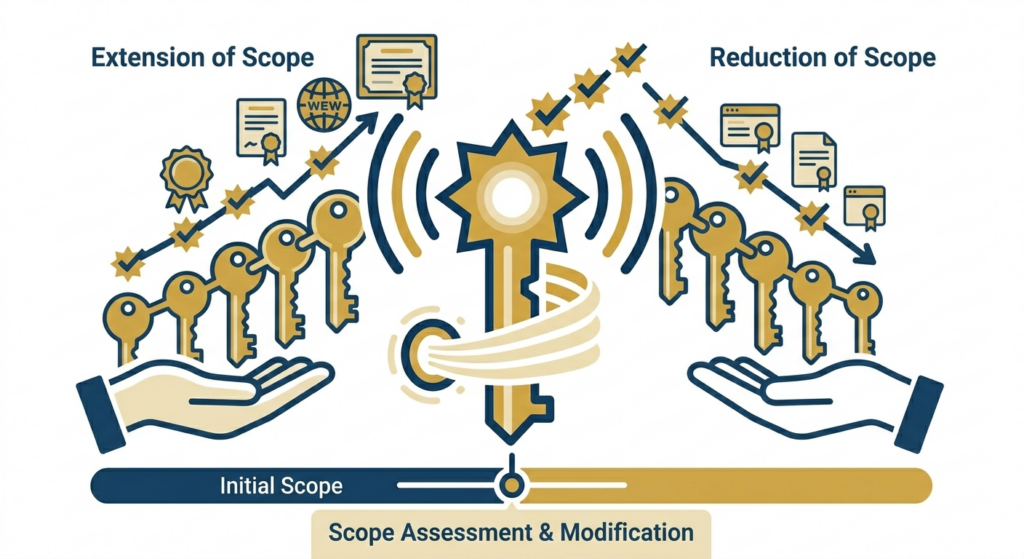
The certification scope may be extended or reduced based on:

Certification may be suspended in cases of non-compliance, misuse of certification, or failure to meet applicable requirements.
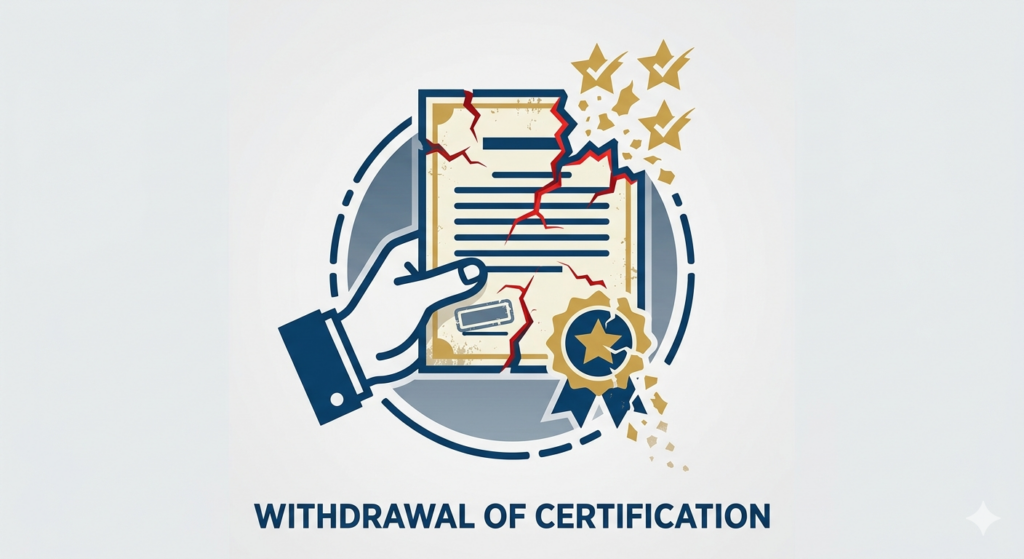
Certification may be withdrawn if the client fails to resolve issues during suspension or in cases of serious non-compliance.

Certification may be refused if the product or applicant does not meet the required criteria during evaluation or if requirements are not fulfilled.
Share your service type, scope, complexity, sites, technical requirements, and required resources so UTIC can review the request and provide a clear quotation.
Request Quotation